![[PHOTOS] Boys Basketball Sectionals](https://theseymourowl.com/wp-content/uploads/2026/03/14-IMG_9111-1200x800.jpg)
![[PHOTOS] Boys 25-26 Basketball Season](https://theseymourowl.com/wp-content/uploads/2026/03/2-_DSC0900-1-1200x809.jpg)
![[PHOTOS] Student vs. Staff](https://theseymourowl.com/wp-content/uploads/2026/03/152-_DSC0117-1200x800.jpg)

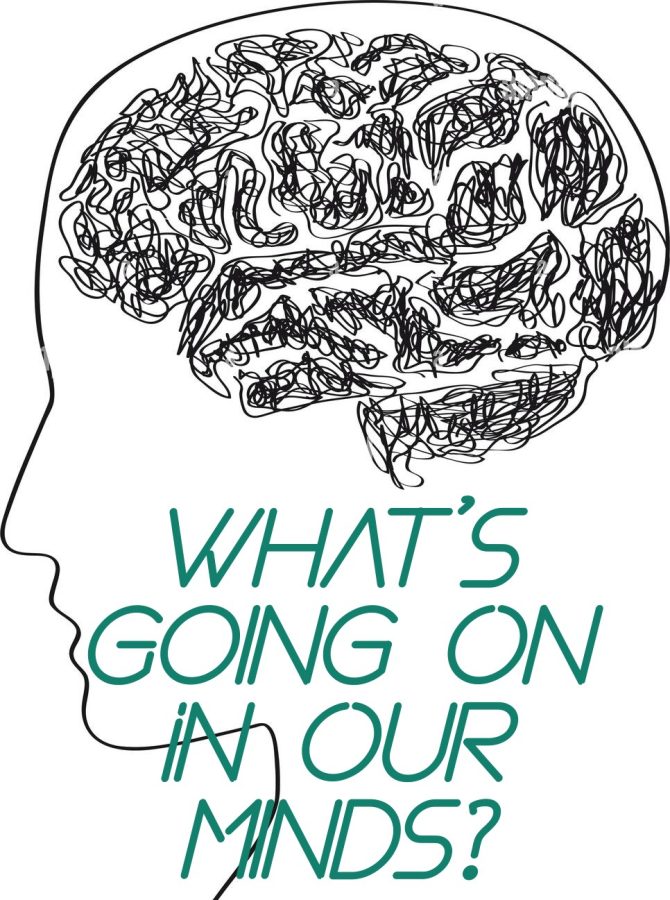







Recently, I watched Hannah Alonzo’s video When Teaching Turns Into Content, and it struck something deep in me. As someone going into education, I couldn’t help but imagine what it would feel like to teach in a world where every moment has to be aesthetic, polished, and “post-worthy.” But the more I thought about it, the more I realized the pressure doesn’t start in the classroom; it starts with our phones. It starts in the places we go to unwind, yet somehow end up comparing ourselves into exhaustion.
Then I listened to the Elephants in the Room podcast episode on phone addiction, and everything clicked. The hosts talked about wasting time scrolling, but also the science behind why we do it; the dopamine loops, the compulsive checking, the pressure to keep up. And suddenly, it didn’t feel like passive entertainment anymore; it felt like a trap.
And millions of us are living in it.
Social media has always been curated, but now it feels like it has become a full-time performance. People are no longer just sharing life; they’re staging it. Bedrooms have to be spotless. Outfits have to be perfectly coordinated. You have to own the “must-have” products, eat the right foods, and decorate your house in the current aesthetic, or else your life seems somehow…less.
What’s worse is that many people get hate for not following this unwritten code of living. If your house is messy, you’re “lazy.” If you don’t keep up with trends, you’re “boring.” If you don’t buy the right things, you’re “out of touch.”
Studies are starting to reflect what so many of us already feel. Research has shown that when people compare themselves to the idealized lives they see online, their self-esteem drops, feelings of inadequacy increase, and anxiety grows. And yet, we keep scrolling, convinced that perfection is the norm, when really, it’s the exception.
The hardest part to acknowledge is that many of us aren’t just using our phones; we’re addicted to them. The podcast episode explained how our brains respond to notifications and constant stimulation. Every like, comment, or new post creates a hit of dopamine, the same chemical involved in other addictions.
And we know it’s affecting our generation. Multiple studies are finding that phone addiction in teens and young adults is linked to anxiety, loneliness, depression, sleep disruption, and even feelings of aggression or inadequacy. Some research even shows that a majority of teens display symptoms of problematic phone use, and it’s getting worse every year.
But here’s the thing: no one really talks about how exhausting this is.
Scrolling for hours doesn’t make us feel better. Comparing doesn’t make us happier. Trying to be like everyone else doesn’t lead to confidence; it leads to burnout.
As someone entering the teaching field, I worry. I worry about students who are growing up being told, every single day, that they’re not enough, not pretty enough, not productive enough, not organized enough, not aesthetic enough. I worry that phones are teaching lessons before teachers ever get the chance to.
If kids are learning their value from likes instead of relationships, from trends instead of character, from comparison instead of community, then the classroom becomes more than a place to learn. It becomes a place to repair, to remind, to rebuild confidence.
Schools need to start addressing digital wellness the same way they address physical health or literacy. Students deserve to understand how social media works, how it influences their emotions, and how to use it without letting it use them.
Here’s the part that matters most: we need authenticity again.
It would be refreshing to see people share the messy parts of their lives. The unmade beds. The bad mental health days, the skipped workouts, the cluttered counters, the days where the only thing you accomplish is simply getting through it.
Because those moments are real. They’re human. And they remind us that perfection is not the standard; it’s the illusion.
If more people posted honestly, more of us would breathe easier. More of us would feel normal. More of us would realize that we don’t have to script our lives. We can just live them.
We might not be able to change social media overnight, but we can change how we show up. We can set boundaries. We can take breaks. We can refuse to measure ourselves against someone else’s highlight reel. We can teach younger generations that worth is not found on a screen.
And we can choose, every single day, to be real.
Because no one should feel like they aren’t good enough, especially because of a standard that was never real to begin with.