![[PHOTOS] Boys Basketball Sectionals](https://theseymourowl.com/wp-content/uploads/2026/03/14-IMG_9111-1200x800.jpg)
![[PHOTOS] Boys 25-26 Basketball Season](https://theseymourowl.com/wp-content/uploads/2026/03/2-_DSC0900-1-1200x809.jpg)
![[PHOTOS] Student vs. Staff](https://theseymourowl.com/wp-content/uploads/2026/03/152-_DSC0117-1200x800.jpg)








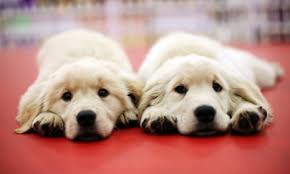
Pet cloning has moved from science fiction into reality. Today, companies offer pet owners the chance to genetically replicate a beloved animal using preserved DNA. While the technology is impressive, it raises the age old question: Just because we can does it mean we should?
Dogs, cats, and other animals have been cloned by putting DNA from a current animal into a surrogate to produce a new one with the same genes. However, genetics don’t tell the whole story. Research on cloned animals shows that physical appearance and behavior can still vary widely even when DNA is identical. One study covered by Science Daily found that cloned pigs “do not act the same” as their original counterparts, even when raised in the same environment, meaning owners shouldn’t expect a cloned pet to behave exactly like the one they loved.
Pet cloning often comes from grief, and some experts argue that it may complicate healthy grieving by encouraging replacement rather than acceptance. There are also animal welfare concerns. Cloning requires egg donors and surrogate animals, and the process is often not successful. This raises questions about how many animals are involved for just one clone. The surrogate female undergoes hormone treatment and surgeries in order to prepare their body for implantation, and they carry the pregnancy to term. However, there can be complications such as premature birth or loss of the pregnancy. In cloning, the rate of complications is much higher than in natural reproduction. This means there are multiple surrogacy attempts. This has concerns in animal welfare because the surrogate often experiences physical strain.
Clones can have health complications if the cloning was not successful. The chance of them developing abnormalities or health complications is a lot higher than in a natural born animal. Critics argue this trial-and-error aspect of cloning raises ethical concerns for the animals involved, even when the final outcome is successful.
The high cost is also a concern. Some argue that these resources could be dedicated to helping shelters, rescue organizations, or medical treatment of currently existing animals rather than creating another one.
Pet cloning is ethically complex. As technology advances, society must continue to weigh scientific progress against moral implications with animals. Ultimately, cloning offers a genetic copy, not a second chance, and recognizing that distinction is essential to understanding the morality of the situation.
Resources: